Balms vs. Salves: Is There Really A Difference?
Last updated on March 12, 2026 by Jessica Healey
Originally published on March 10, 2015
Balms and salves. Ointments and unguents. Why are there so many words that seem to mean exactly the same thing?
Is there really a difference between a balm and a salve?
It is certainly a confusing subject!
I have recently spent a great deal of time researching, reading other blogs, and even talking to an herbalist friend of mine to try to discover a “correct” answer. All of this has led me to believe there really is no correct answer. All of these terms are used by everyone quite interchangeably.
As for differentiating by ingredients, I have read that balms will not contain essential oils, and that they will contain essential oils; that salves contain butters as opposed to beeswax, or no beeswax or butter at all. Every time I read something, it actually added to the confusion instead of clearing anything up for me.
What’s a newbie to balm and salve creation, like me, to do? Well, the next logical step was for me to make them but I found the confusion to be a bit overwhelming and it was bringing me to a standstill.
Then, amid all of this confusion, I started thinking to myself that since one of the main points in creating a healing balm or salve from scratch is to avoid the toxic ingredients in commercial “healing” products…maybe there shouldn’t be so much emphasis on determining the difference between the two, and more emphasis placed the fact that you are creating effective healing solutions from powerful natural ingredients, whether you label them with the word balm or a salve.
Through my near constant reading of recipes, and my own experience with purchasing balms and ointments, I am going to offer you my guidelines below for understanding:
- What a balm is versus a salve
- A breakdown of the role(s) that each ingredient in the product has to play in healing
- Provide you with some information on different ways to make herbal infused oils
- Hopefully provide you the encouragement to just start creating without over-thinking about words!
Points of Agreement: Balms vs. Salves
Balms or salves are for topical application, they are oil based, contain no water (meaning they are anhydrous formulations) and are made with:
- Herbs
- A carrier oil (or blend of oils)
- Beeswax (sometimes a butter will be added &/or substituted)
- Will often contain the addition of essential oils
They are simple, natural, and non-toxic medications that are easy to travel with and can be used for a wide variety of skin issues. Most will be made of with an herbal infused oil (and you will find some herb suggestions toward the end of this post).
Balms
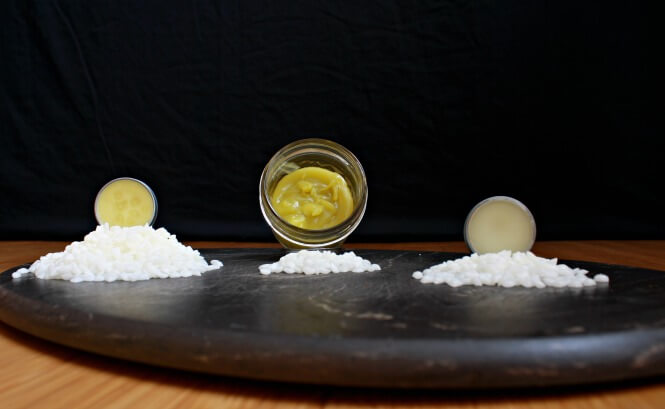
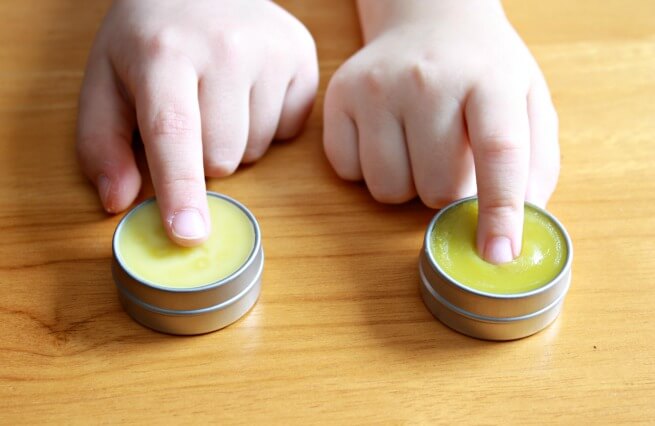
My experience with balms is that they tend to be of a thicker, harder consistency, which leads to them containing a higher ratio of beeswax (like a 1:1 ratio wax to oil). Having more wax would make them more protective, forming more of a barrier on the skin, and also makes them suitable for deodorant and lip type containers since they are firmer and retain their shape once hardened. Since it is thicker, a balm will need to be rubbed in with more force than a softer salve. This makes them really nice for sore muscles.
Salves
Every salve I have ever seen has been of a softer consistency, which leads me to believe they contain a lower ratio of beeswax (think more of a 1:4 ratio of wax to oil) or sometimes no beeswax at all, as compared with a balm. Being a softer consistency will allow them to penetrate the skin more deeply, and makes them great choices for wound healing.
Ingredients Play an Important Role
Oils
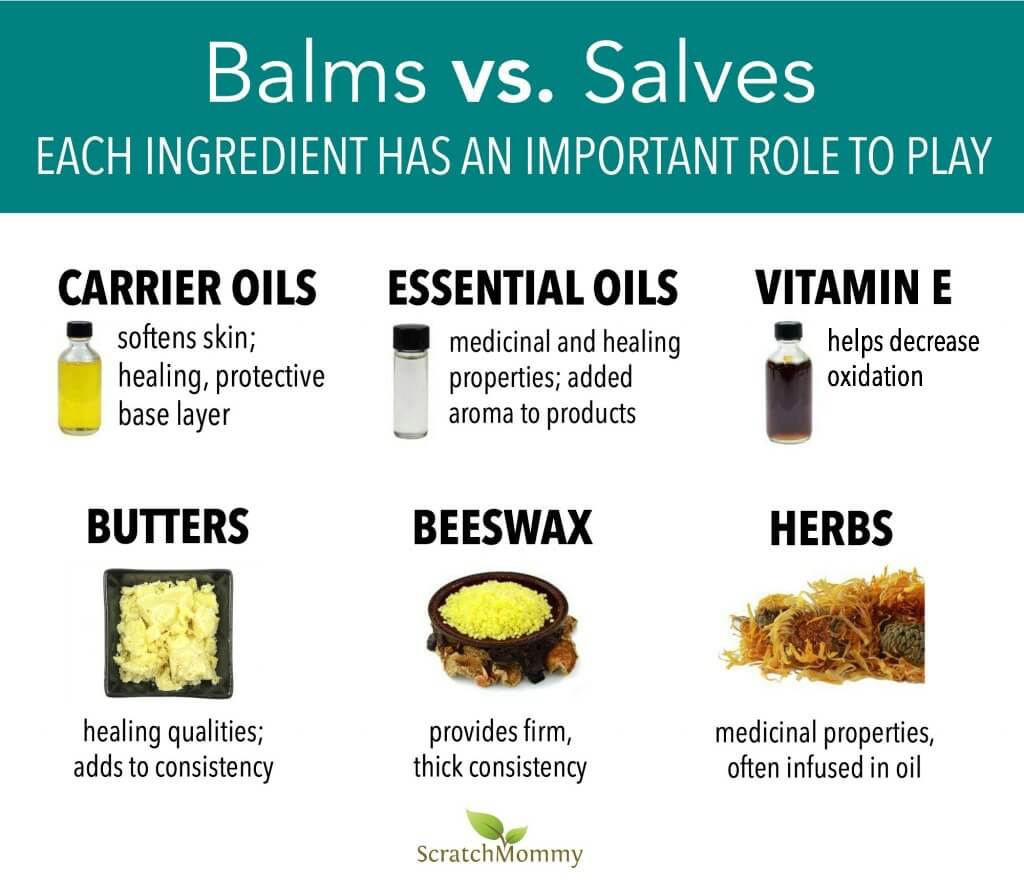
The oil(s) are the emollient that are used to soften your skin and act as the healing, protective base. These are your carrier oils and they allow the medicinal properties of the herb(s) and/or essential oils to penetrate through the top layers of your skin. This way they can carry out their intended purpose. Learn more about carrier oils here.
Herbs
The herbs you choose to use for your balm or salve will determine the medicinal properties of what you create (more on this below). Making an herbal infused oil is the best ways to get the potency level that you want in a healing balm or salve (more on this below). An herbal infused oil is not required if you are creating a salve with only essential oils instead of herbs.
Essential Oils
Essential oils can be used in the same way as herbs for different medicinal and healing properties. Keep in mind that scent mellows in a body care product, so if you want a stronger scent I advise to either use more drops of essential oil or to choose stronger scented oils from the start. Shop my favorite essential oils HERE.
Butters
You can choose to incorporate different butters (shea, cocoa, mango, etc…) for their inherent healing effects and consistency characteristics.
Beeswax
Beeswax provides firming and thickness and serves as a barrier to keep both the moisture and medicinal qualities in, and everything else out. Plus, you’ll be thankful for the extra staying power with active kids (no one wants a runny oil or ointment in situations like that!).
Vitamin E
You can choose to use Vitamin E as a sort of preservative, although it is not necessarily needed.
When stored properly (in a cool place, out of direct sunlight) balms and salves can last for years.
Suggested Herbs for Balms and Salves
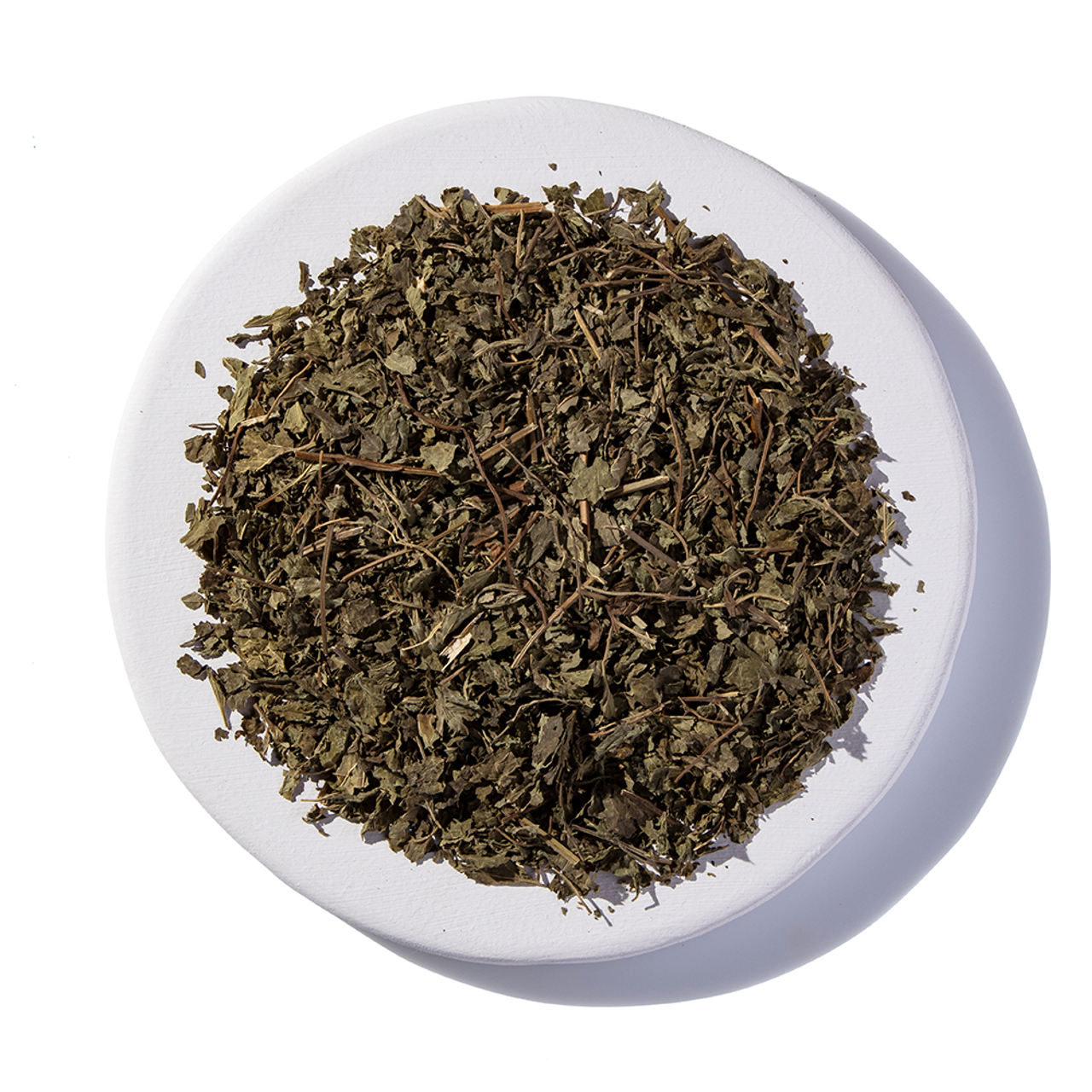
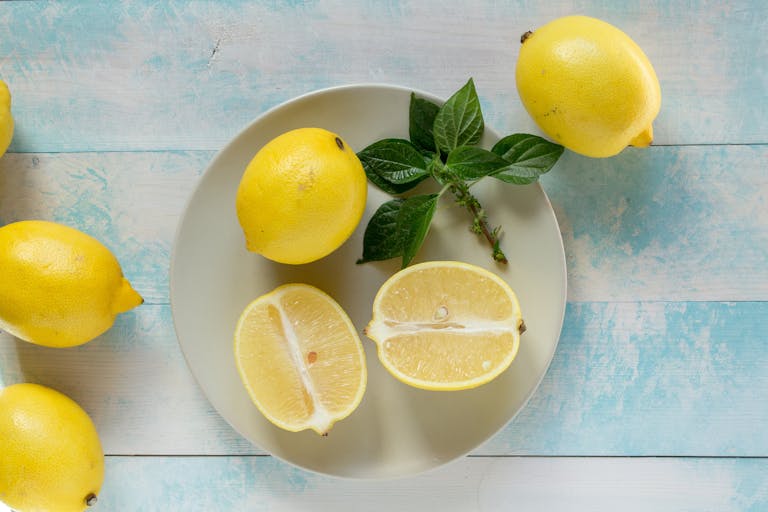
Lemon Balm
Can be used for insect bites and to reduce swelling; antiviral and antiseptic. This herb has an antispasmodic and relaxing effect (see our extensive lemon balm post)
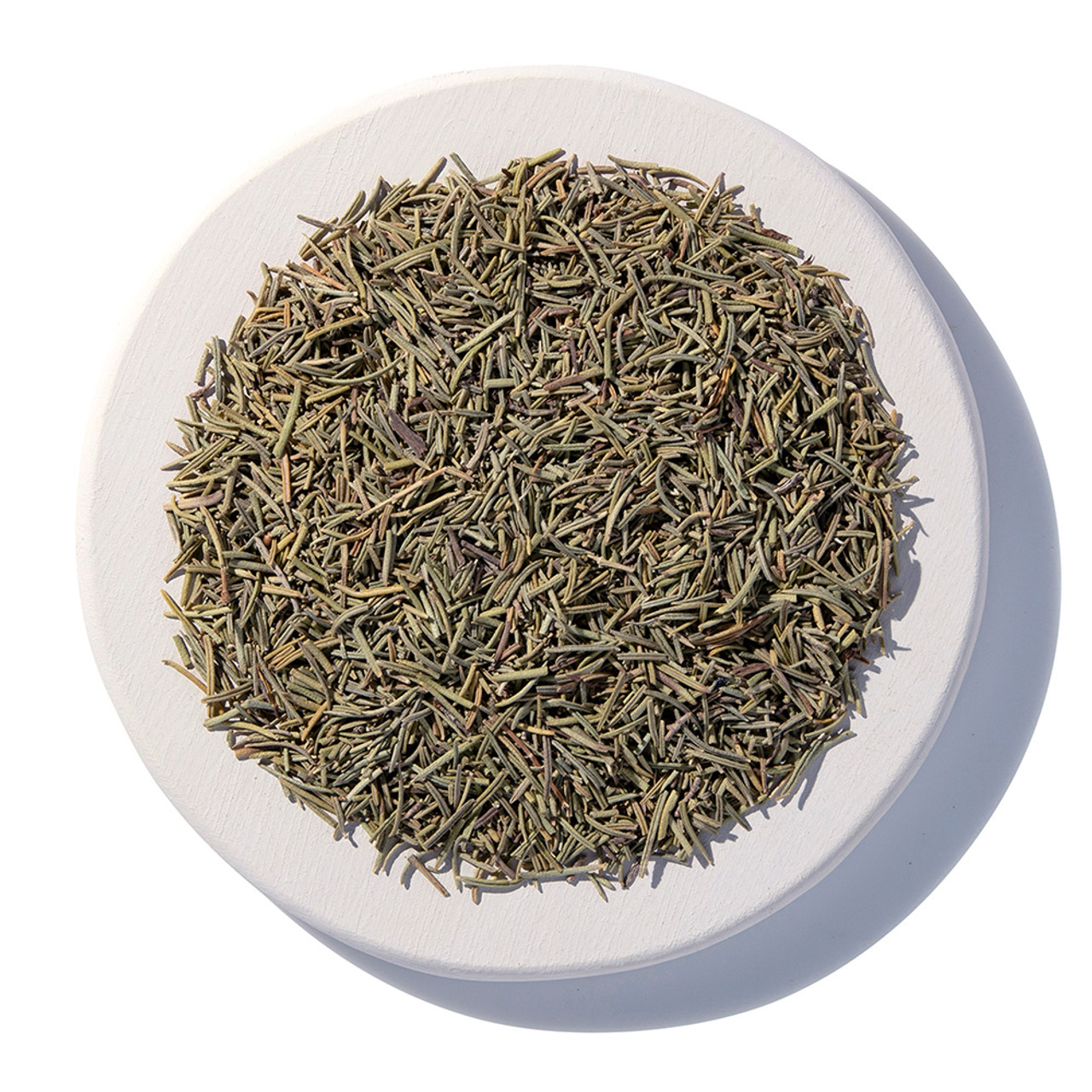
Rosemary
Can be used for acne, headaches, aching muscles and joints, relieves itchy scalp, and dandruff
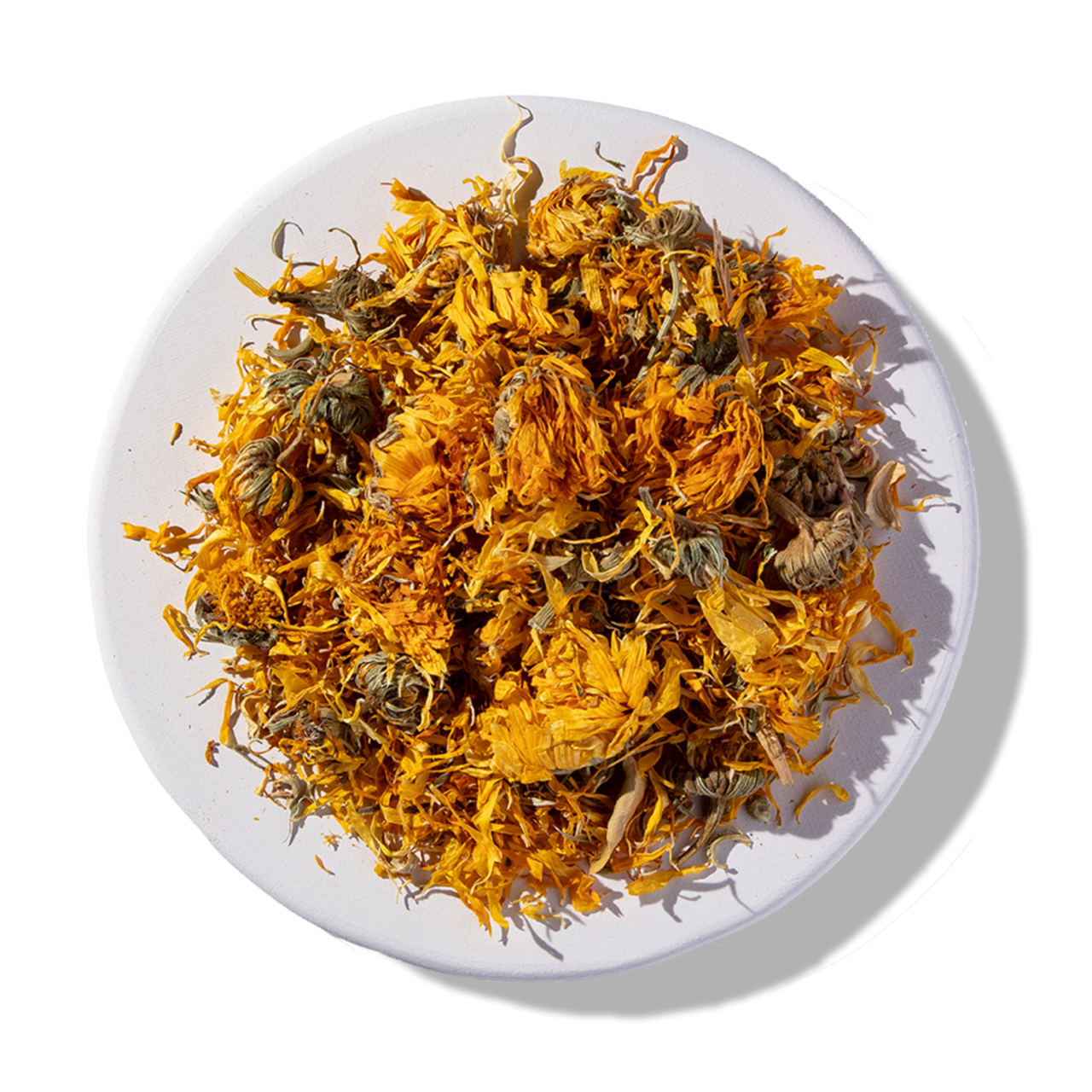
Calendula
Has all-around healing properties; can be used for acne, inflamed or dry skin, wounds, and diaper rash
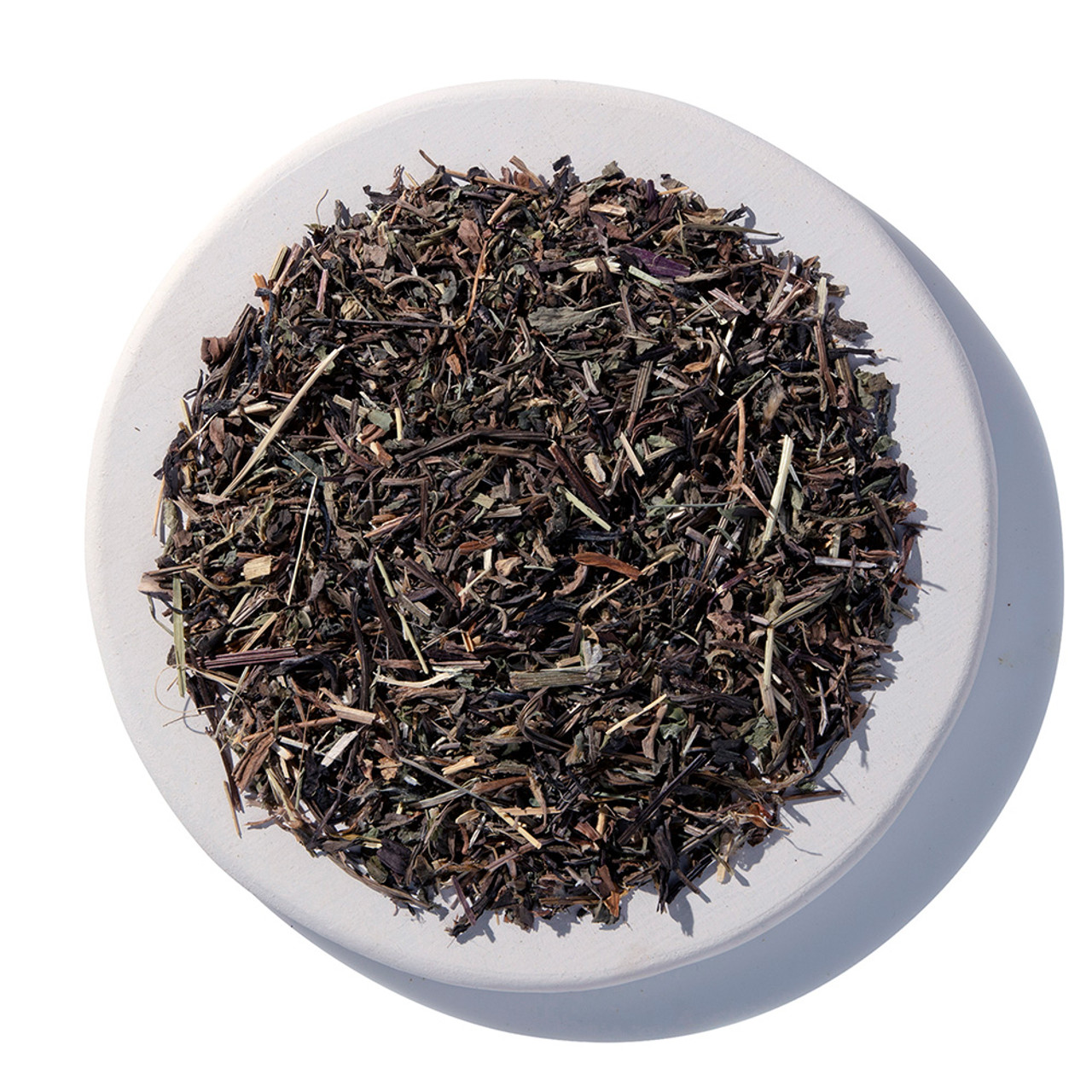
Plantain
Wound healing (4). One of the best poultice herbs often referred to as “the green bandage”
Lavender
Acne, muscle pain, burns, insect bites, eczema, diaper rash, insomnia, calming, healing, and anti fungal (see our extensive lavender post)
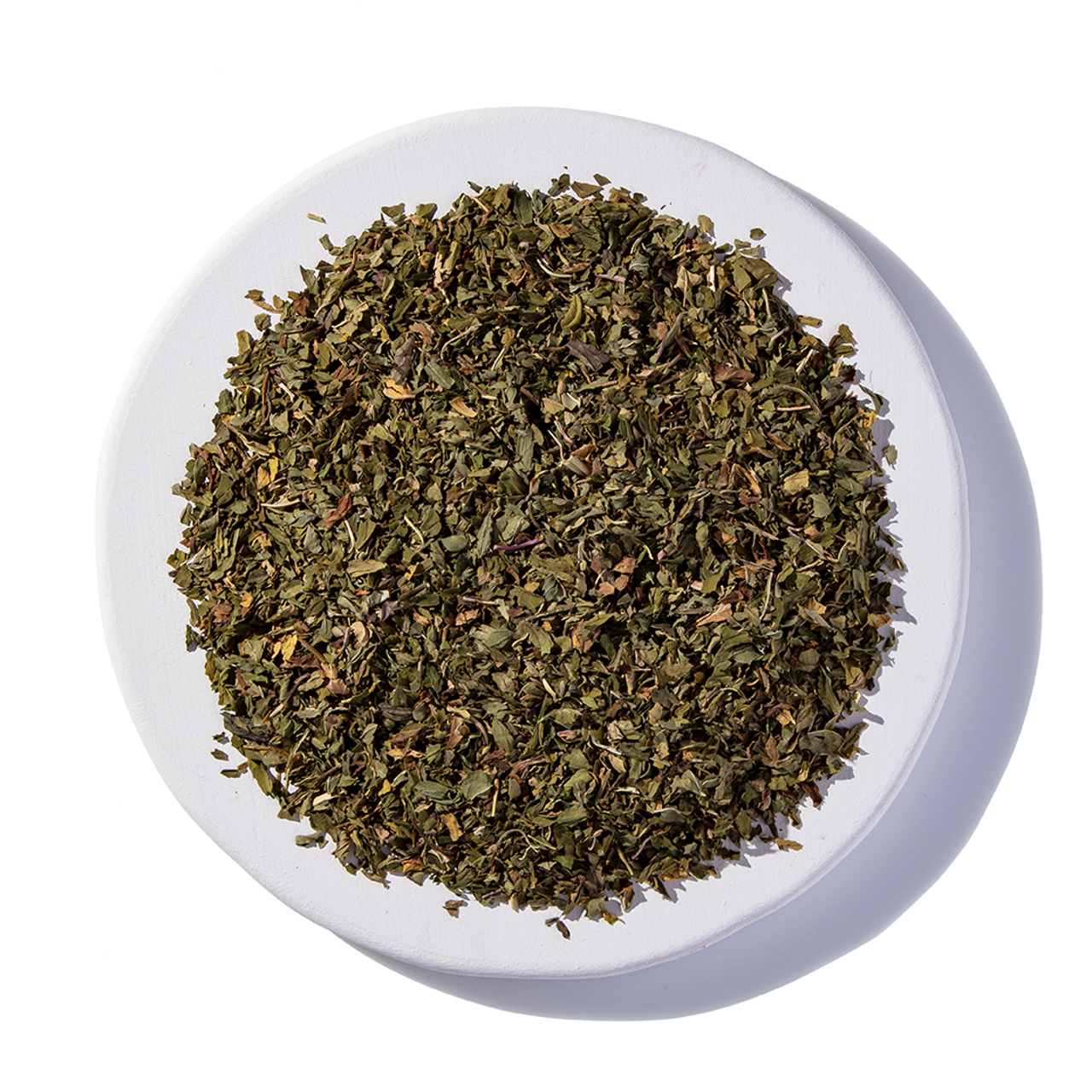
Peppermint
Decongestant, fever reducer, pain, insect bites, itching, skin irritations (see our extensive peppermint post)
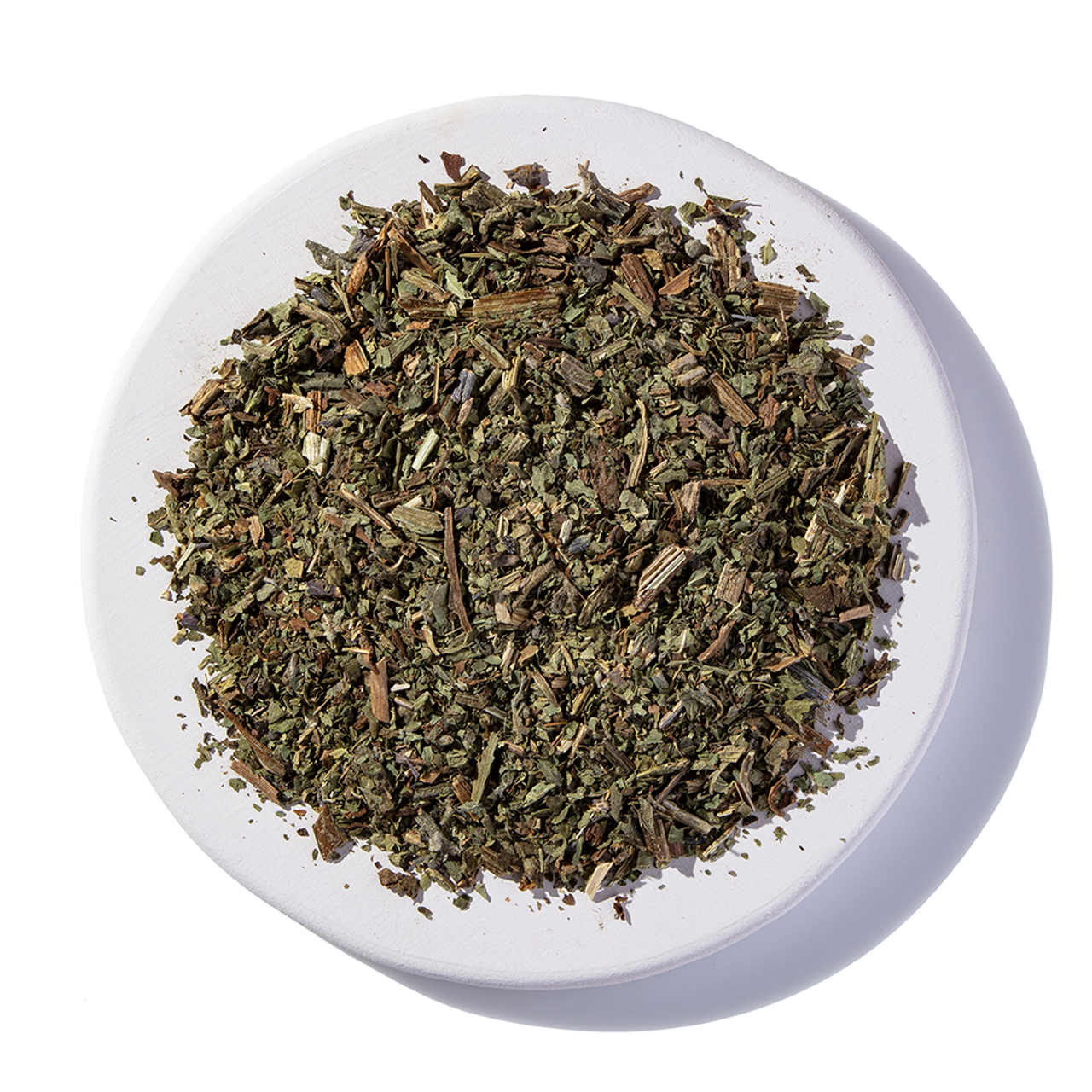
Comfrey
Bruises, pain, sprains, sore muscles, minor cuts, and sprains
Arnica
Can be used for bruises, muscle pain, and strain
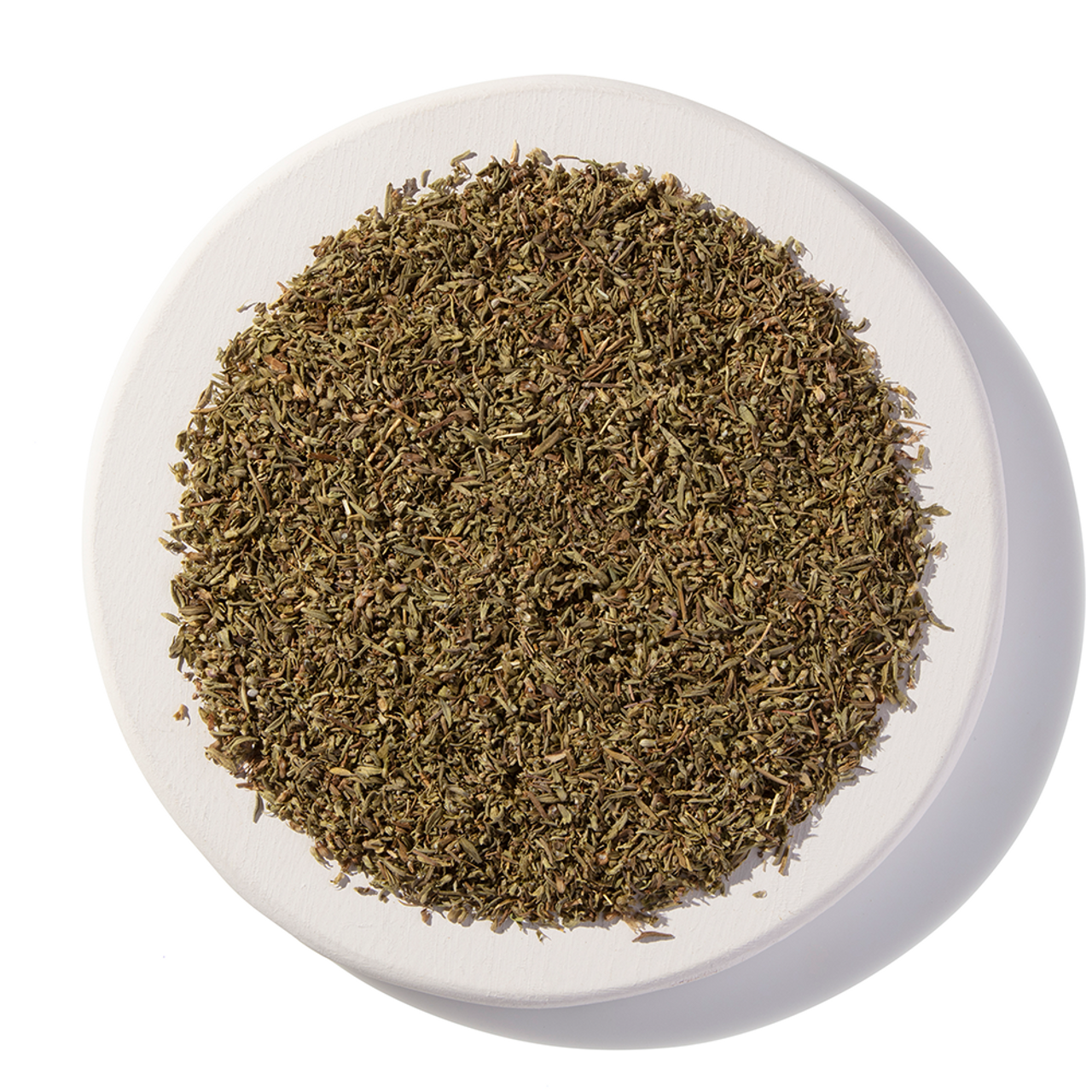
Thyme
Cuts, scrapes, sore muscles
Please refer to the Herbal Academy for more information and to learn SO much MORE!
Purchase my favorite herbs and spices HERE
How to Make an Herbal Infused Oil
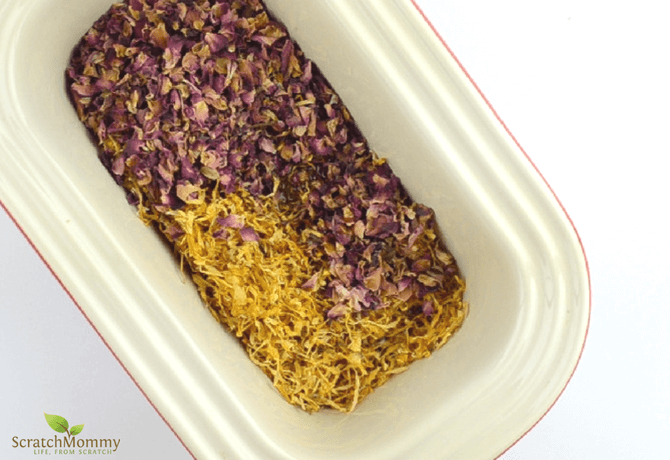
You can choose to make them with a single herb or even multiple herbs. From my research I would lean towards having several single herbal infused oils on hand and later blending the different oils for recipes. This is the best way to get the most out of basic infusions. Take care to use fully dried herbs so you do not introduce water into your creations, which can cause bacterial growth and nastiness.
Cold/Solar Infusion
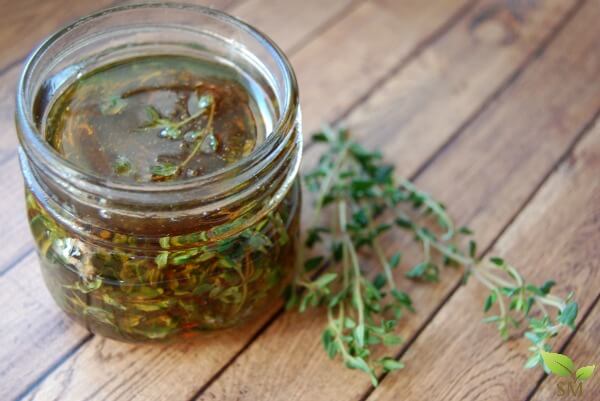
This method will require about 4-6 weeks of infusion time, so this is a preferred method. Of course, you obviously need to be prepared ahead of time for this method. Learn how to use this method from our Thyme Infused Honey Recipe.
Quick Method
You can utilize a quick, low heat method when you are short on time, but you must be very careful to keep the heat as low as possible so you don’t burn your herbs (think low and slow). Learn more about the quick method here.
Oven Method
This is another safe and effective low and slow heat method you can utilize when you are short on time. Learn more about the oven method here.